
Decomposition Day: finding nourishment by breaking things down
The importance of going slow, letting something go, and finding new forms of value by in the intentional dismantling of things.
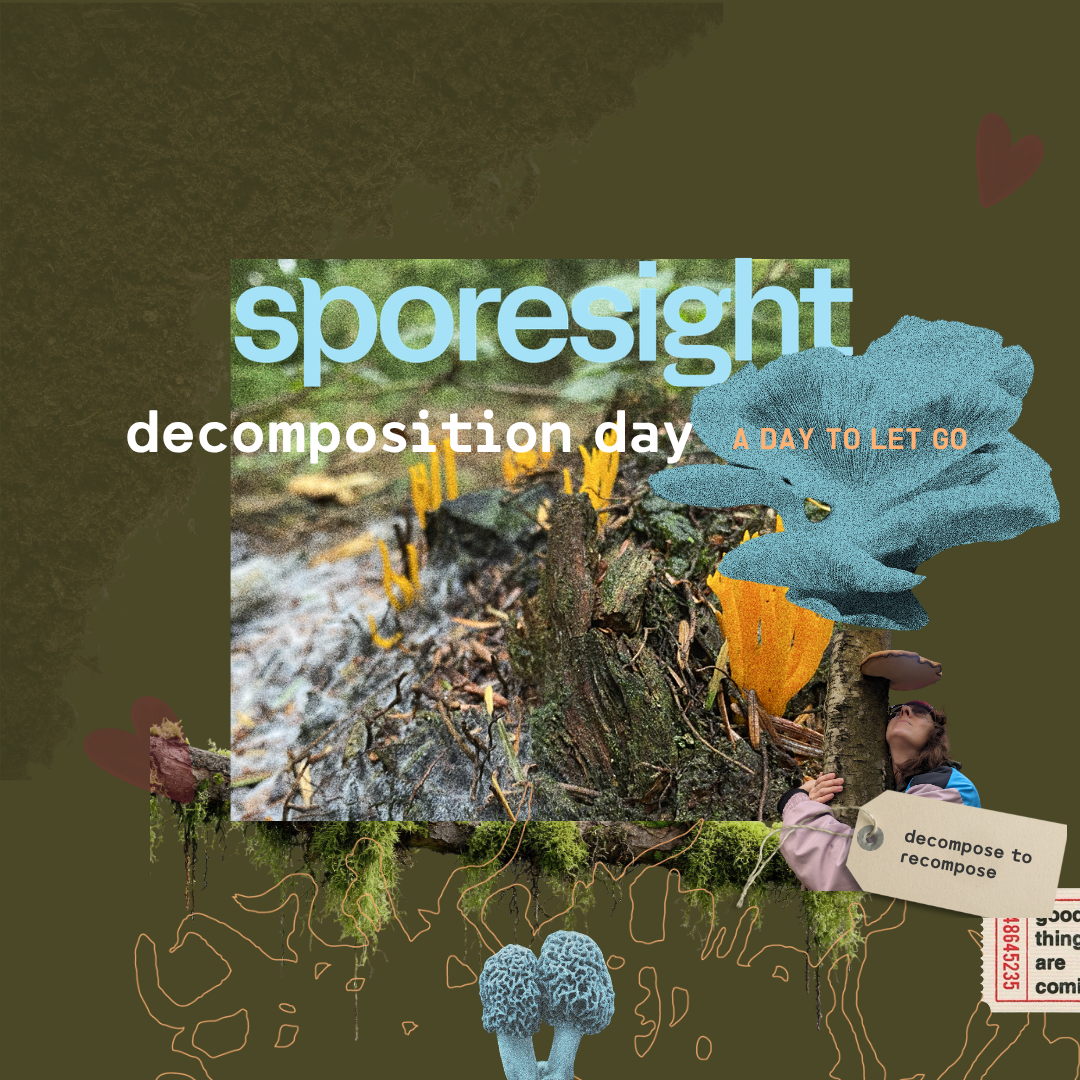
First we rot, then we can regenerate.
On 8th May, 25 regenerative-curious souls gathered in Ashdown Forest - home of our hosts Mycelium Hub and Winnie the Pooh - to spend a day letting go.
Decomposition Day was a day to just be, and let go. No laptops, no deliverables, no expectations. Just hands in soil, feet in forest, and a quiet agreement to practise the ancient art of rot.
Why rot?
Because when I asked the room to share their ‘feel word’ for the future at the start of the day, what came back was anxiety, fear, uncertainty. The stories of 2026’s metacrises and collapse are deliberately designed to make us feel that way.
But we can’t create possibility we can’t see. And we can’t see something we can’t imagine. If we all keep telling stories rooted in fear, then fearful futures will keep showing up.
So what if we shifted — not towards toxic positivity or pretending everything is fine — but towards the possibility that comes with decomposition? Towards knowing that we can celebrate endings as powerful space-making for new beginning? And to intentionally rot the parts of our imagination which aren’t regenerative?
Not regeneration yet. Just rot. The first step: how we can unlock new forms of value, by breaking things down?
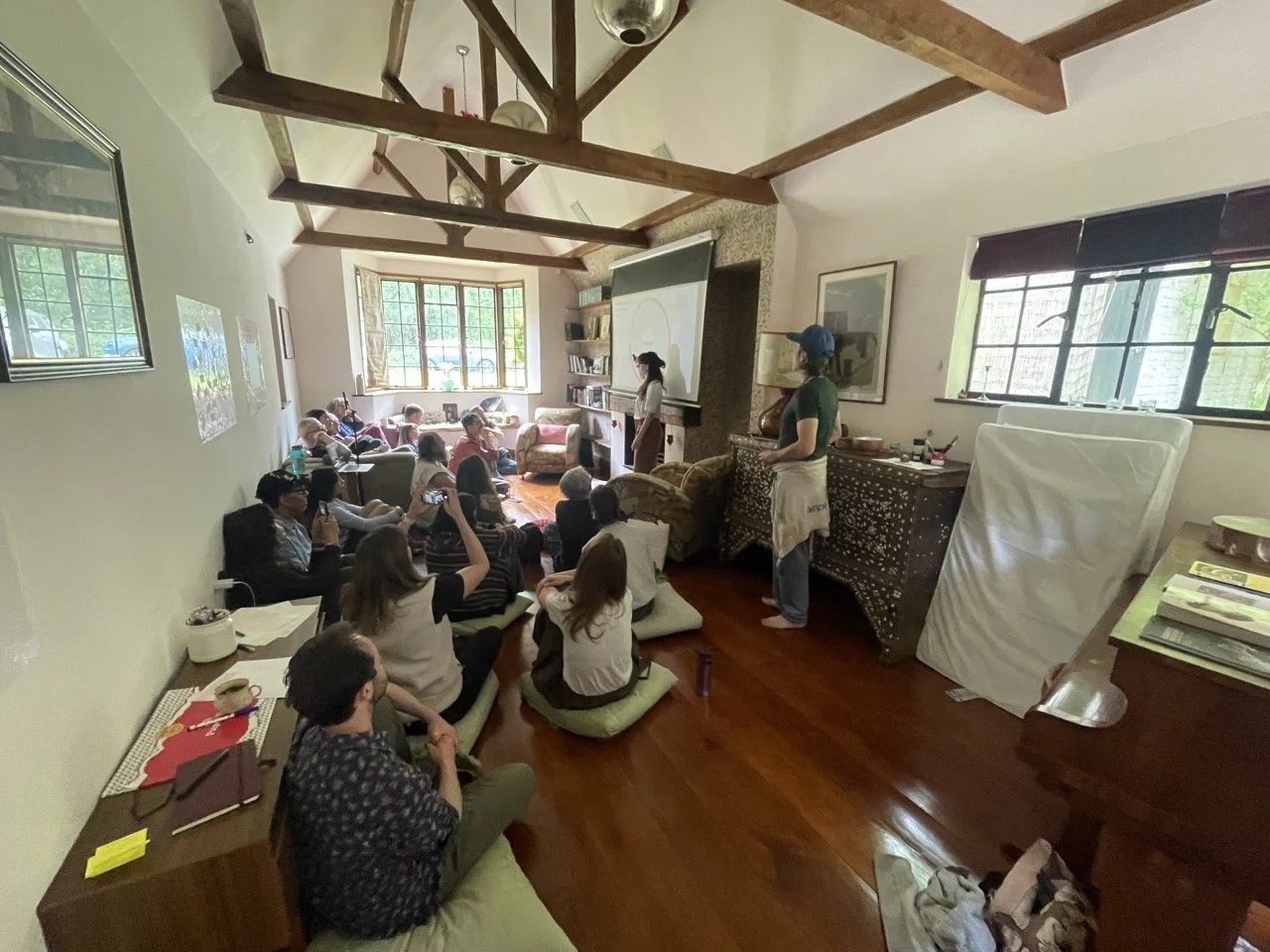
Learning session: how to crate preferable regenerative futures by learning from nature’s intelligence.
Finding decomposition
After a morning learning session and shared table picnic, we meandered through the forest, finding decay, mycelium, turkey tail mushrooms and decomposition stories.
We learned from Andrew Allright of Mycelium Hub how the Spore Society works with mycelial principles to help mid-career professionals transition into purpose-driven, regenerative lives. We learned from Adi Staempfli of Adi’s Urban Mushrooms and the South London Mushroom Club how decomposition has shaped his life and work. See Adi’s IG post of his story here.
We learned how breakdown is the condition for growth, and has shaped the design principles and research behind Sana Jazeer’s mycelium-based materials and myco-resin coating. Listen to her podcast about it here on YouTube, and check out her IG post of her story here.
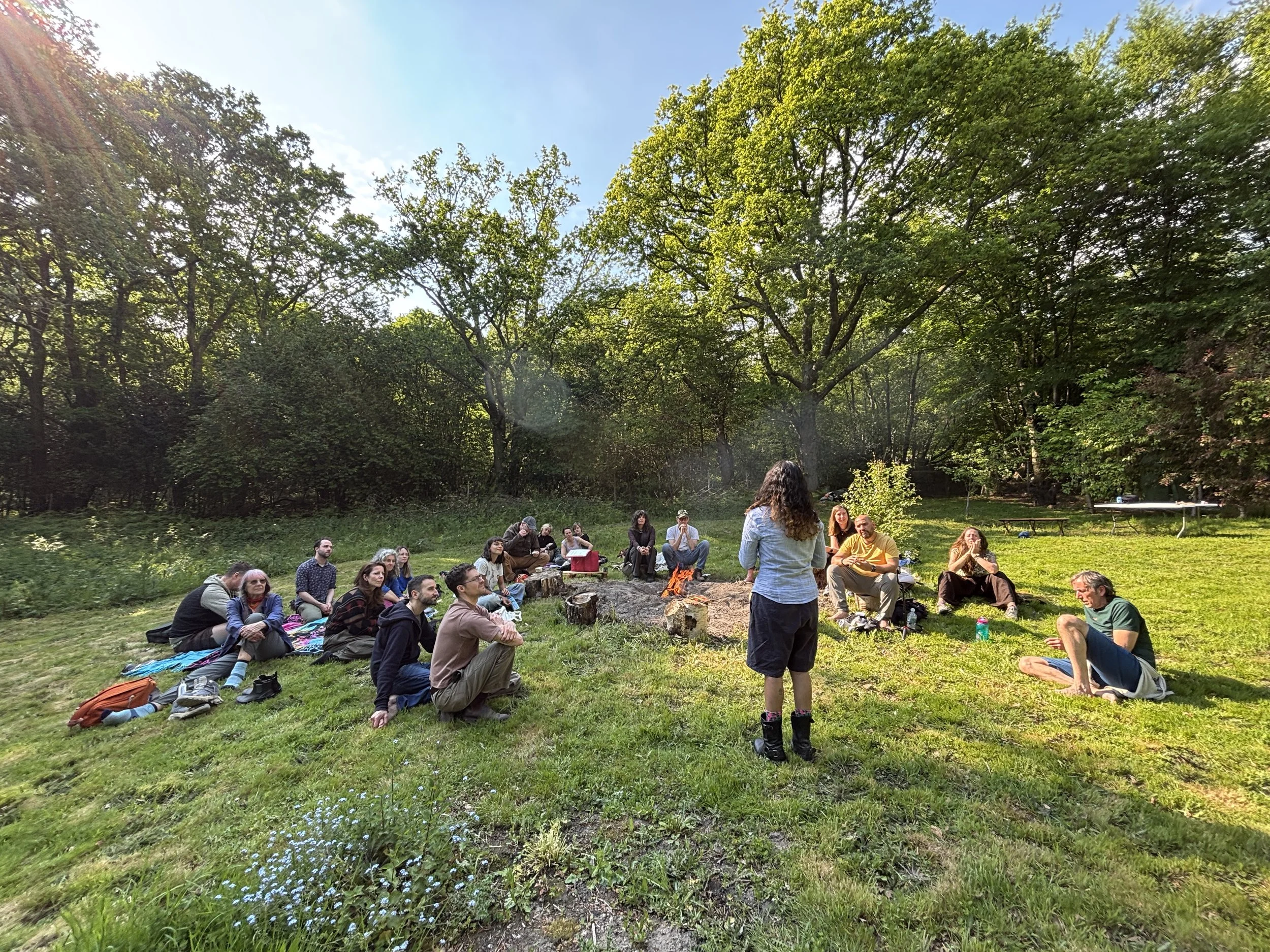
Here’s Sana sharing a story of decomposition.
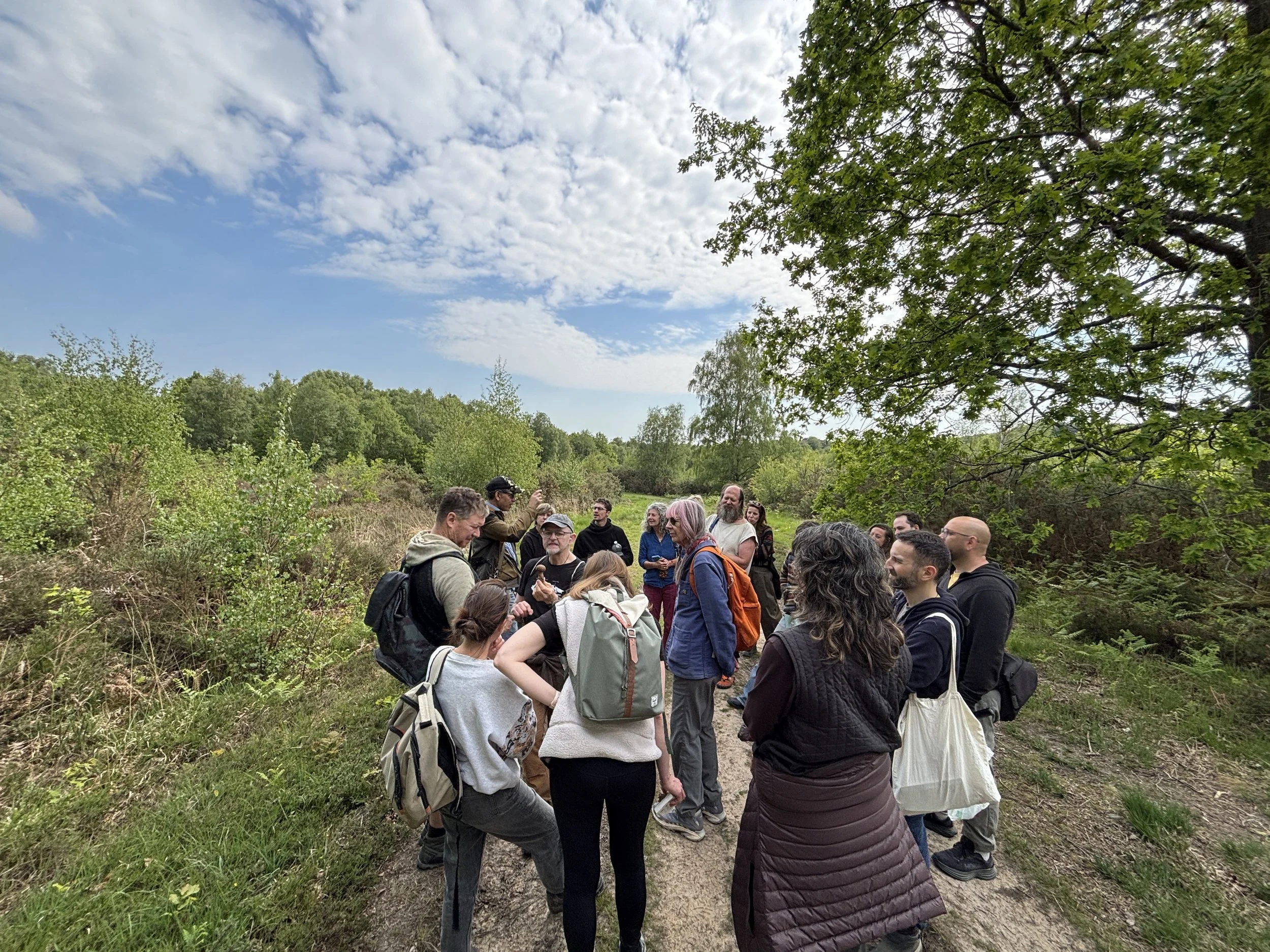
Here’s Adi introducing us to the gorgeous Scarletina Bolete, Neoboletus praestigiator.
Our teachers for the day were decomposer fungi, including the Humongous Fungus, the biggest living organism on earth and a keystone decomposer in the Malheur National Forest of Oregon for the last ≈8,650 years or so, and Turkey Tail — the prolific decomposer doing the steady work of breaking down dead wood.
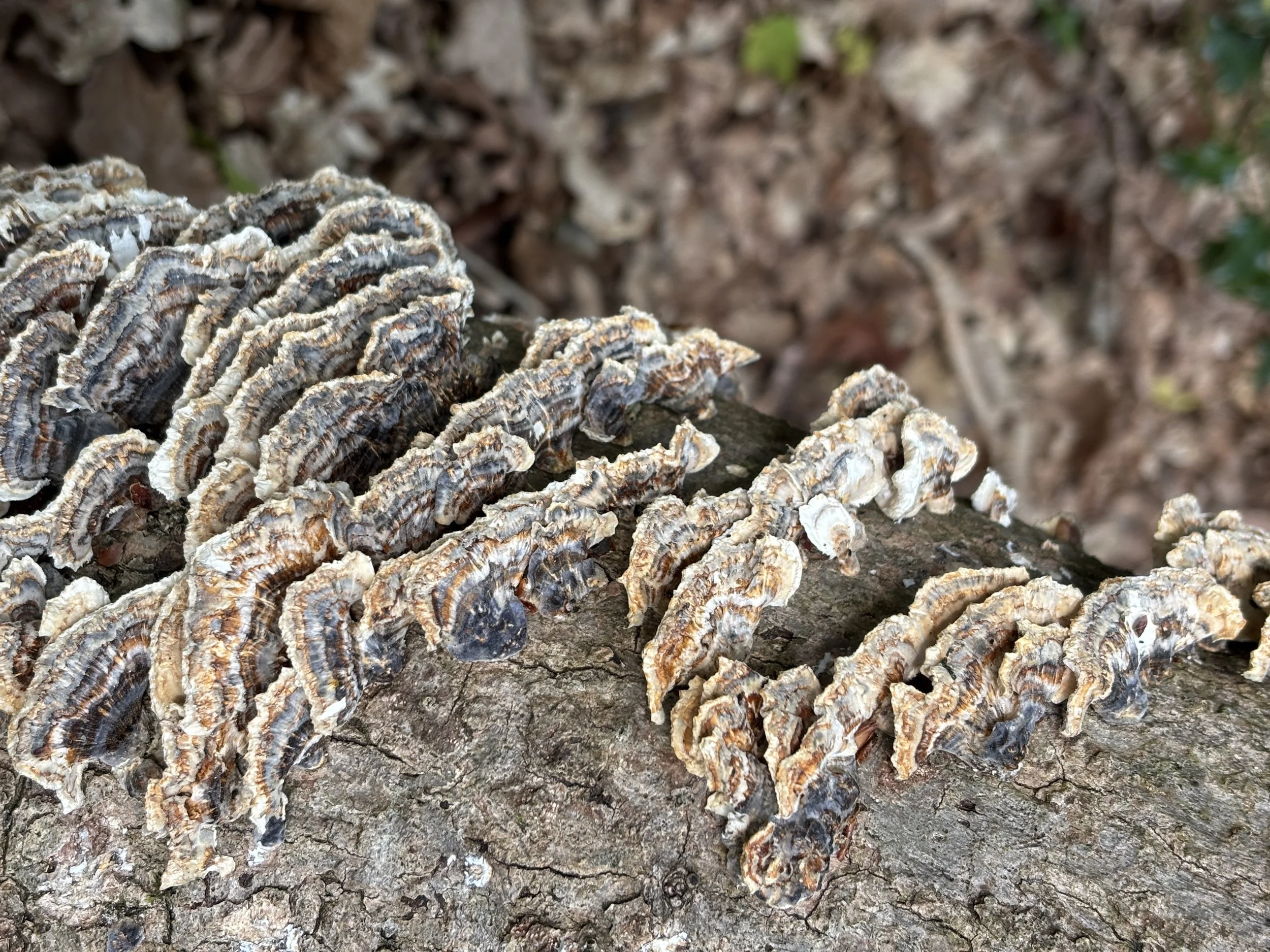
We met these Turkey tail mushrooms in the forest, dried and hardened at the end of season.
Our third teach was The Shaggy Ink Cap — the slightly unhinged mushroom which shoots up, spreads its spores, and then deliquesces, dissolving itself into a viscous black ink. It just lets go, completely. In our ‘rot ritual’, we practiced the graceful art of deliquescence to let something go that isn’t regenerative, or never was.
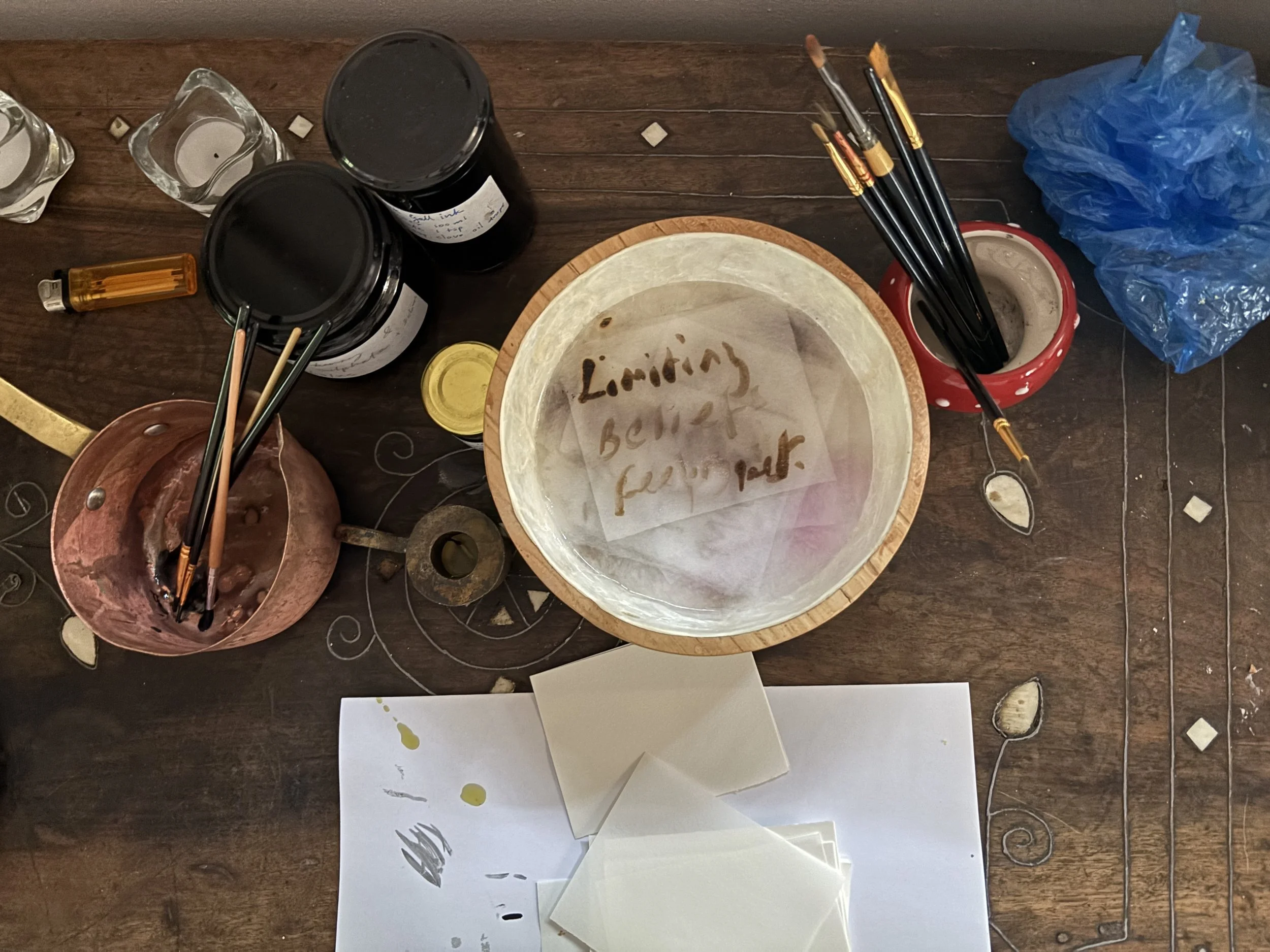
Rot ritual to let something go, using water soluble paper and homemade ink of oak gall, blackberry and elderflower.
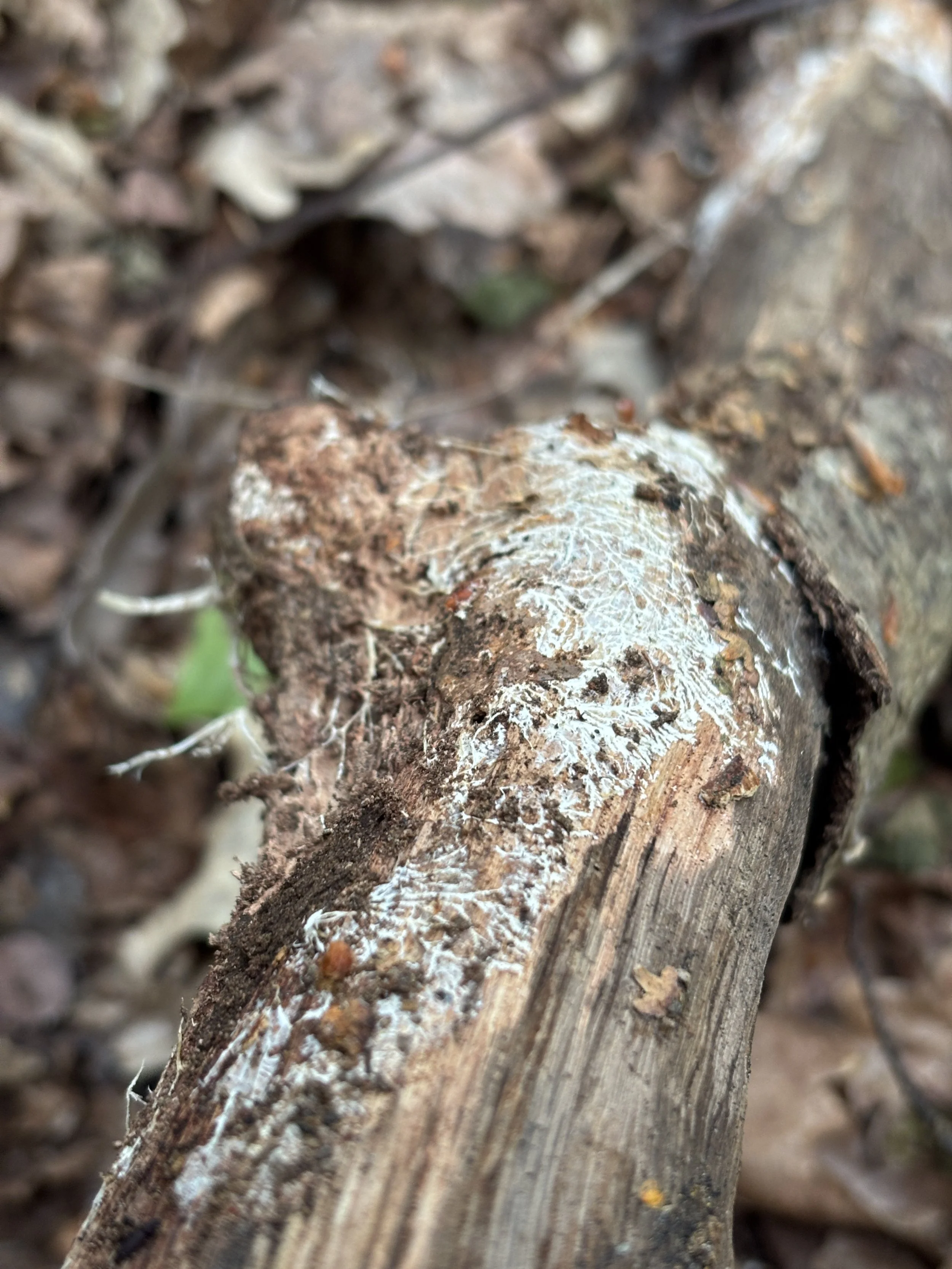
Meeting mycelium - isn’t it cool?!!
Putting decomposition into practice
Lastly, we gathered around the campfire to practise the art of decomposition, composing and breaking apart the infrastructures of our imagination - represented by home-grown mycelium building blocks
The brief: to asses the parts of our imagination that frame how we think and design and create. Asking “does this serve a regenerative future for everyone, or not?” Should this part remain (same value, same form), or rot (new form, new value = transformation).
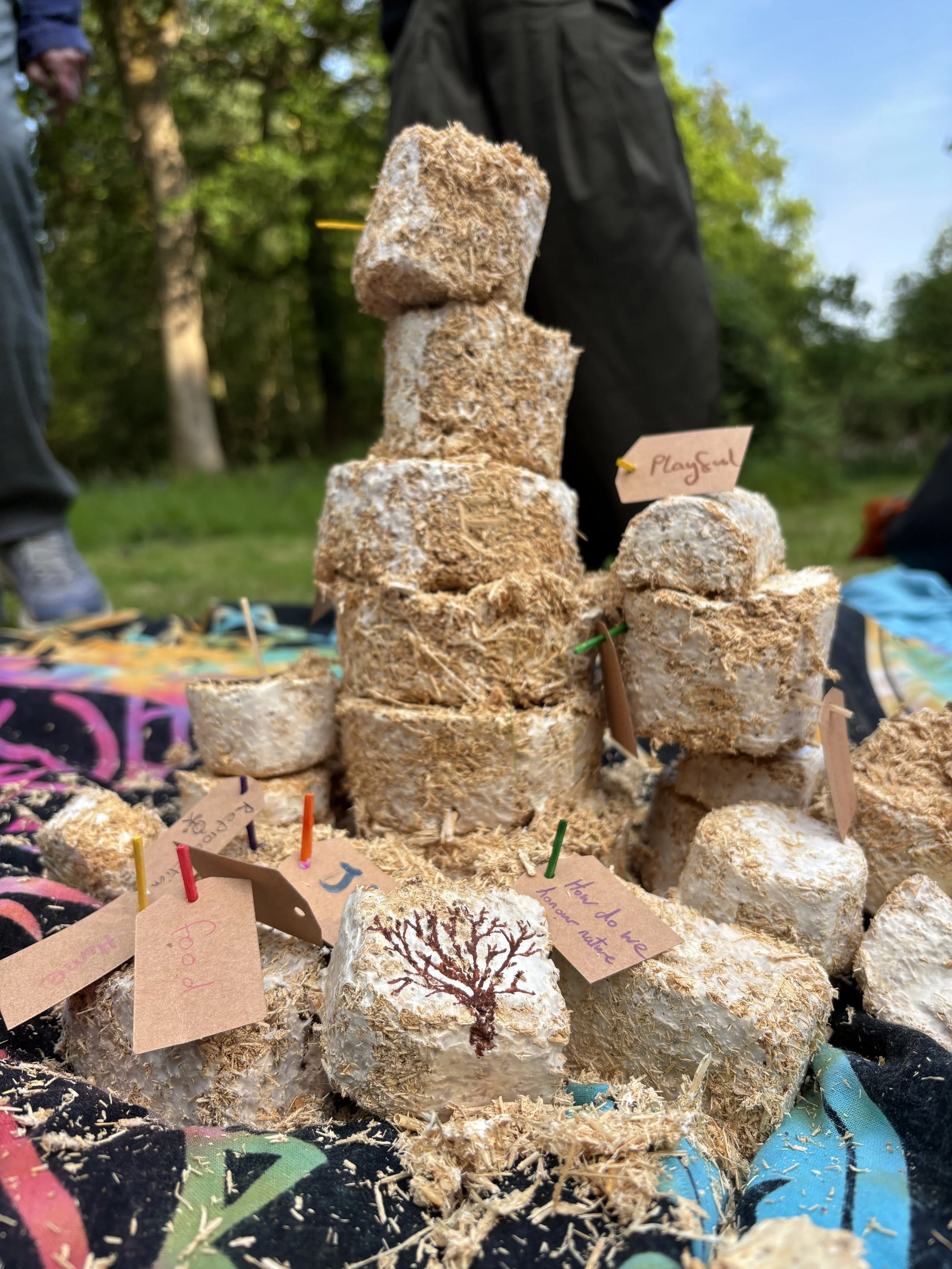
Decomposing the infrastructures of our imagination, represented by home-grown, compostable mycelium building blocks. For the mycophiles: this was a failed test batch of Pleurotus ostreatus on hardwood sawdust which I had lying around. We’re now growing Ganoderma lucidum on Goldbirch’s myco-materials casting kit and they’re looking very good!
So we sat in a meadow and decomposed things. We lit a campfire. We let some things go. We’ve walked away feeling regenerated with possibility. I’ll be honest, I wasn’t sure what this day would be, but it turned out to be exactly what it needed to be.
If you’d like to join us on a future Decomposition Day in the summer of 2026, comment “DECOMPOSE ME” below!
Yours in spores,
Jess
Sporesight Foundress
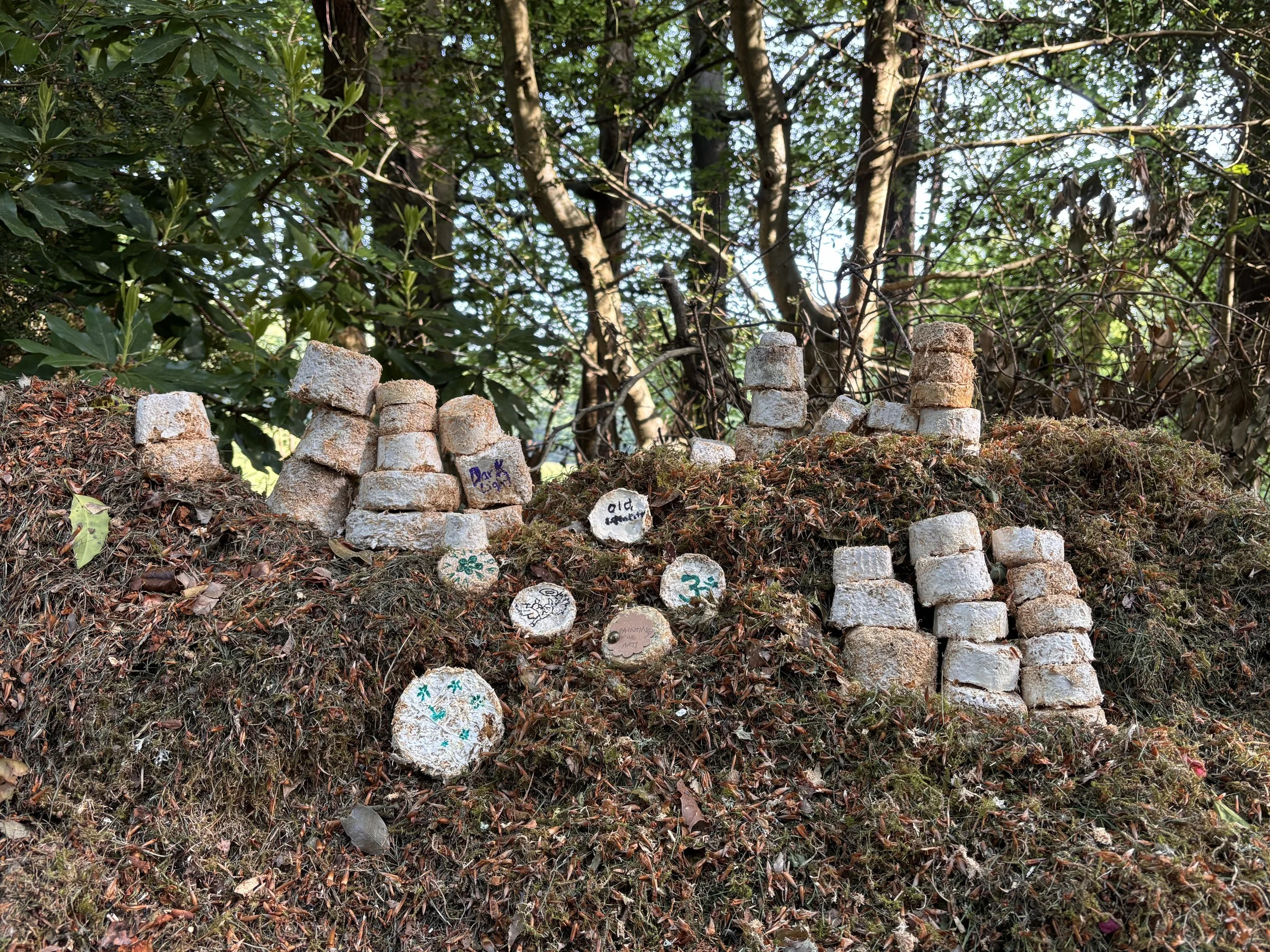
Our mycelium blocks - the parts of our imagination - found their forever home in the compost heap.
